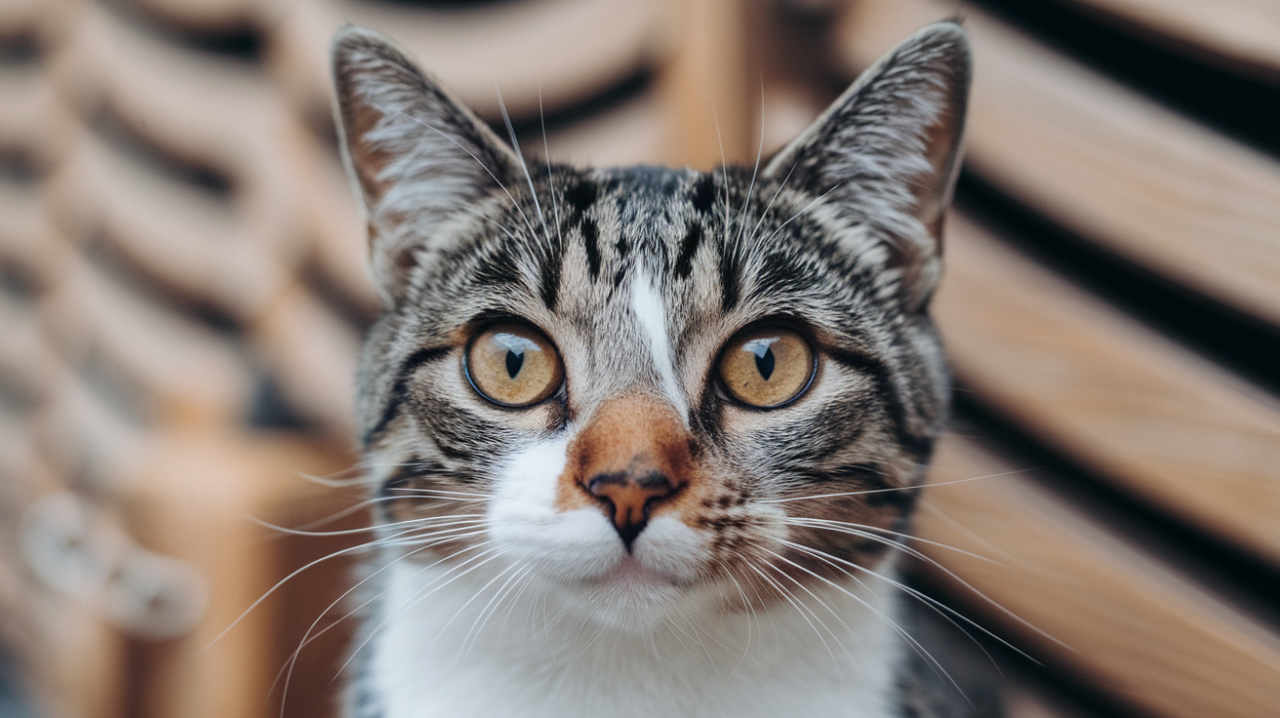
Have you noticed your cat squinting more than usual? Does one eye suspiciously look different from the other? As a hands-on cat mom/dad, your mind might start jumping to the worst-case scenario right away.
The good news is that cat eye problems are fairly common and are actually a familiar anxiety among cat owners. In fact, you can learn to distinguish true emergencies from conditions that might need attention but don’t really warrant panicking over.
Read more and recognize these signs for yourself so you can tell if your beloved kitty indeed needs professional care.
What Healthy Cat Eyes Should Look Like
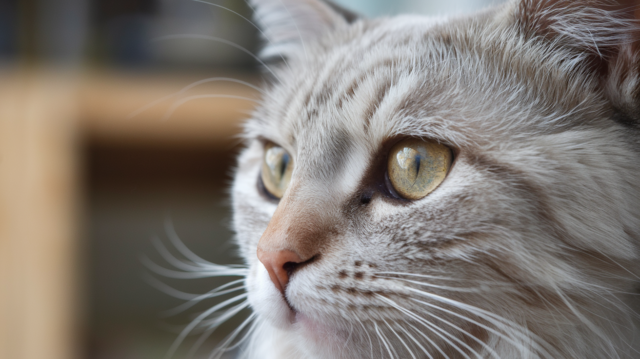
First, let’s establish a baseline. What do healthy cat eyes look like? Healthy cat eyes are bright, clear, and glossy, with pupils that are equal in size and respond to light together. The whites of the eyes should be clean rather than red or yellowish.
Note that a tiny amount of clear discharge in the corners, especially after sleep, is normal. But if the discharge is thick, or the discharge doesn’t stop, and it’s accompanied by other symptoms such as below, consider taking an emergency trip to the vet.
Signs Your Cat’s Eye Problem is Serious
Some eye conditions can cause permanent damage or blindness within hours if left untreated. Drop everything and seek emergency veterinary care if you notice any or some of the following.
- Protruding or bulging eye
If one eye suddenly appears larger or is bulging out of the socket, this could indicate glaucoma (dangerous pressure buildup inside the eye) or trauma. Acute glaucoma can cause irreversible blindness within hours.
- Visible injury or bleeding
Any obvious wound, blood coming from the eye, or trauma from a fall or fight needs immediate attention. Even minor-looking scratches can seal bacteria inside the eye and cause severe infection.
- Sudden cloudiness or color change
Any non-gradual change to your cat’s eye warrants immediate attention.
- Unequal pupil sizes (anisocoria)
When one pupil is significantly larger or smaller than the other, this could indicate neurological issues, glaucoma, or internal eye inflammation. This is especially concerning if it appears suddenly.

- Chemical exposure
If any cleaning product, chemical, or foreign substance gets in your cat’s eye, flush it gently with sterile saline for 10-15 minutes if safe to do so or rush to the vet as soon as you can.
- Your cat is bumping into things
If your cat is suddenly bumping into things, can’t find their food bowl, or seems disoriented in familiar spaces, they need immediate evaluation.
NOTE: While transporting your cat to the vet, see to it that they don’t rub or paw at the affected eye to prevent further damage or infection. Keep the carrier in dim lighting if possible.
Signs Your Cat’s Eye Problem Needs Attention but Not an Emergency
The following conditions need prompt attention and can worsen quickly, but you have a small window to schedule an appointment during regular clinic hours:
- Red, inflamed eyes without severe pain
This is a common issue among cats called Conjunctivitis (pink eye). This condition is highly treatable, but still requires diagnosis and medication. Cats with conjunctivitis are known to keep their normal routine – eating, playing, and behaving normally.
- Thick yellow or green discharge
While a bit of clear discharge is normal, colored discharge indicates infection. This needs antibiotic treatment, typically applied 3-6 times daily for 2-3 weeks.
- Persistent squinting that lasts more than a few hours
Occasional squinting on its own shouldn’t be cause for alarm, but if your cat keeps one or both eyes partially closed for several hours, this indicates pain that needs investigation.
- Visible third eyelid
When that pinkish membrane in the inner corner becomes visible while your cat is awake and alert, it signals something is wrong. This could indicate dehydration, pain, infection, or even neurological issues.
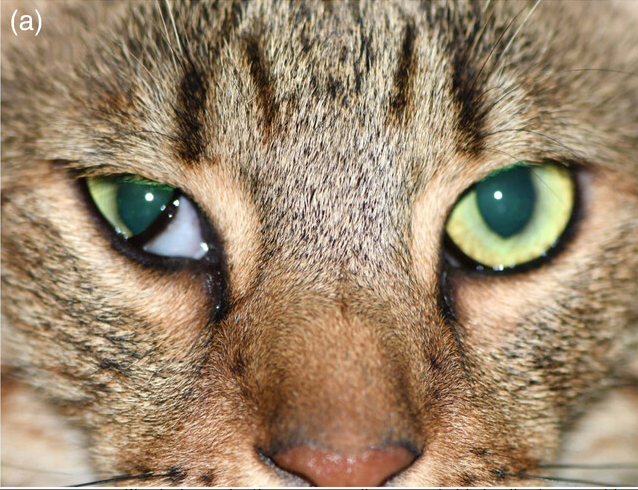
- Suspected corneal ulcer
If your cat is squinting intensely, has excessive tearing, shows extreme light sensitivity, and may be pawing at their eye, they might have a scratch or ulcer on the cornea. These are extraordinarily painful and require prompt treatment to prevent deeper damage.
- Eye issues + respiratory problems
When eye problems appear alongside sneezing, nasal discharge, or reduced appetite, your cat likely has an upper respiratory infection. These are very common and treatable but shouldn’t be ignored.
In Dubai’s dusty environment, some of these conditions are particularly common. Conjunctivitis rates are higher here due to year-round dust exposure and the significant stray cat population that can spread infectious causes. The dramatic temperature differences between air-conditioned interiors and the outdoor heat can also stress cats, and trigger flare-ups in those carrying dormant viruses.
Cat Eye Problems That Can Wait for the Next Routine Appointment
If you are extra vigilant and notice the following signs on your cat, you might want to mention them to your vet during your cat’s next routine consultation. However, these are fairly common among cats and don’t require urgent attention.
- Minor, occasional clear discharge
A bit of “eye boogers” in the morning is normal, especially in flat-faced breeds like Persians and Himalayans. As long as it’s clear, minimal, and easily wiped away, note it for your next checkup.
- Slight tear stains
Some cat breeds with prominent eyes or facial anatomy that affects tear drainage, develop reddish-brown staining below their eyes. While you should have your vet verify the tear ducts are functioning properly, this cosmetic issue isn’t urgent.
- Redness that clears within the day
If your cat’s eye looked slightly irritated but is back to normal the next morning, they likely had a minor irritation from dust or grooming. Monitor it, but no immediate action is needed.
- Mild cold symptoms that are improving
Just like us, cats can feel under the weather from time to time. If you noticed a slight sniffle accompanied with some eye watering that gets better after a day, they’re most likely to recover on their own. However, if symptoms persist beyond 2-3 days or worsen at all, schedule an appointment.
What Are the Most Common Cat Eye Conditions?
The following are the most common eye problems that most cats face. Familiarizing yourself with common cat eye issues can help you recognize signs early and detect patterns before they become serious.
Conjunctivitis (Pink Eye)
Conjunctivitis is the single most common eye disorder in cats that affects the thin membrane lining the inner eyelids. About 90% of cases have infectious causes, with feline herpesvirus being the leading culprit. Signs of Conjunctivitis in cats include:
- redness;
- swelling;
- discharge ranging from watery to pus-like; and
- frequent squinting.
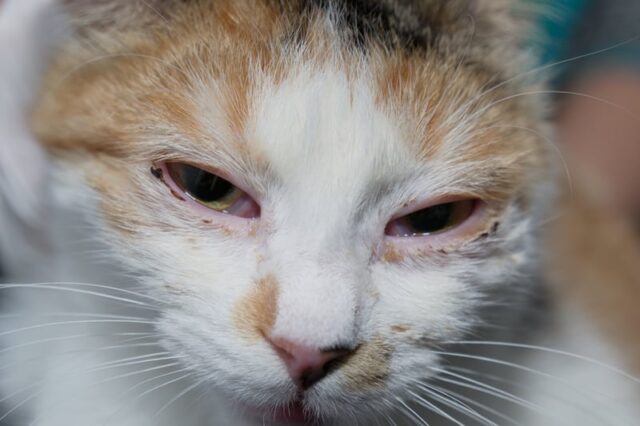
While highly contagious between cats, it rarely transfers to humans, so exercise caution when dealing with it. Treatment involves antibiotic drops or ointments applied multiple times daily for 2-3 weeks.
Corneal Ulcers
These are scratches or wounds on the clear outer layer of the eye. These are extraordinarily painful and can progress from minor scratches to perforating injuries within days if untreated. Cats (especially strays) may get corneal ulcers from fighting with other cats, dust particles especially in the UAE’s arid climate, and herpesvirus infection. Common symptoms include:
- intense squinting;
- excessive tearing;
- cloudiness; and
- extreme light sensitivity

The affected cat may also paw at the affected eye constantly. Get professional help as soon as possible as simple ulcers that don’t improve within five days can become complex cases that require more aggressive (and costly) treatment.
Herpesvirus-Related Eye Disease
Herpesvirus-Related Eye Disease deserves special mention because it’s incredibly common and often chronic. Approximately 80% of cats exposed to feline herpesvirus become lifelong carriers, with the virus lying dormant until activated by stress. Environmental factors like Dubai’s extreme temperature fluctuations, moving to a new country, household changes, or even construction noise can trigger flare-ups. The virus causes keratitis (corneal inflammation), ulcers, and chronic dry eye in severe cases. Unfortunately, vaccines don’t prevent infection entirely but they can significantly reduce the severity of the symptoms.
Glaucoma
Glaucoma occurs when fluid drainage inside the eye becomes blocked and causes pressure to build rapidly and damage the optic nerve. Symptoms of glaucoma in cats is not much different from that in humans:
- enlarged or bulging appearance of the affected eye
- cloudiness
- dilated pupils that don’t respond to light
- behavioral signs of severe pain like hiding or refusing food
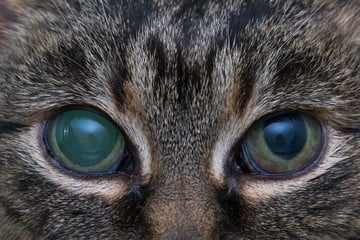
Glaucoma warrants an immediate vet visit.
Uveitis
Uveitis is inflammation inside the eye that causes intense pain and can lead to blindness if untreated. What makes this condition particularly concerning is that it often indicates serious underlying diseases including feline leukemia virus, feline immunodeficiency virus, feline infectious peritonitis, or cancer. Its symptoms include:
- severe redness
- squinting
- extreme sensitivity to light
- (sometimes) visible blood in the front chamber of the eye

The Bottom Line
Trust your instincts. When something looks wrong with your cat’s eyes, it usually is. While not every eye problem is an emergency, eye conditions can deteriorate quickly. The difference between a minor treatable issue and permanent vision loss often comes down to how quickly you get professional help.
If you’re unsure about whether your cat’s eye problem is urgent, err on the side of caution. A brief consult today can prevent blindness tomorrow. Our team is here to help you make the right decision for your cat’s health and give you the peace of mind that comes with expert guidance.
Schedule an appointment now or call us at +971 4 321 2535. You may also visit us at Villa 113 Al Besheen St, Umm Suqeim 2, between Choitrams and Union Coop for immediate care.